%2Ffit-in%2F250x250%2Fguide_websites%2F182813%2Fimages%2F1786080941267457038321_7824857024308487_6077904326571704258_n.jpg&w=1920&q=100)
/users/cae4bdfb-6391-4000-8edb-3576ea2cc2de/ratecard/3-msiakjd1.jpeg)
%2F300x300%2Fusers%2Fcae4bdfb-6391-4000-8edb-3576ea2cc2de%2Fratecard%2F3-msiakjd1.jpeg&w=256&q=75)
%2F300x300%2Fusers%2Fcae4bdfb-6391-4000-8edb-3576ea2cc2de%2Fimages%2Ftexas-city-redfish-catch-2618.jpg&w=256&q=75)
%2F300x300%2Fusers%2Fcae4bdfb-6391-4000-8edb-3576ea2cc2de%2Fimages%2Ftexas-city-fishing-success-2597.jpg&w=256&q=75)
%2F300x300%2Fusers%2Fcae4bdfb-6391-4000-8edb-3576ea2cc2de%2Fimages%2Ftexas-city-speckled-trout-haul-2552.jpg&w=256&q=75)
%2F300x300%2Fusers%2Fcae4bdfb-6391-4000-8edb-3576ea2cc2de%2Fimages%2Ftexas-city-fishing-group-2483.jpg&w=256&q=75)
%2F300x300%2Fusers%2Fcae4bdfb-6391-4000-8edb-3576ea2cc2de%2Fimages%2Ftexas-city-fishing-haul-dock-2684.jpg&w=256&q=75)
%2F300x300%2Fusers%2Fcae4bdfb-6391-4000-8edb-3576ea2cc2de%2Fimages%2Ftexas-city-redfish-trout-catch-2819.jpg&w=256&q=75)
%2F300x300%2Fusers%2Fcae4bdfb-6391-4000-8edb-3576ea2cc2de%2Fimages%2F1786065524686468730090_122126441048506494_42036533514677115_n-msi9ujo0.jpg&w=256&q=75)
%2F300x300%2Fusers%2Fcae4bdfb-6391-4000-8edb-3576ea2cc2de%2Fimages%2Ftexas-city-speckled-trout-charter-2667.jpg&w=256&q=75)
%2F300x300%2Fusers%2Fcae4bdfb-6391-4000-8edb-3576ea2cc2de%2Fimages%2F1786065528099470532010_122129840414506494_6412758290339659621_n-msi9gw87.jpg&w=256&q=75)
%2F300x300%2Fusers%2Fcae4bdfb-6391-4000-8edb-3576ea2cc2de%2Fimages%2F1786065529555471151922_122130367172506494_5137847134575923767_n-msi9hand.jpg&w=256&q=75)
Hunt the Morning Bite Around the Bay
 Galveston Bay
What you will be catching:
 Redfish
 Sea Trout
 Sheepshead
 Summer Flounder
- Early morning departure targets prime fish feeding hours
- Captain supplies live bait, tackle, and cleaning services
- Target redfish, trout, sheepshead, and flounder inshore
Trip Pricing and Availabilities:
Hunt the Morning Bite Around the Bay
There's something special about getting on the water before the sun gets too high and the weekend crowds start moving around. Captain Kade LaFrance knows this better than most, and his early morning trips on Galveston Bay are designed to take advantage of those cooler, quieter hours when fish are more active and the bay feels like it's all yours. This isn't a rushed trip where you hit one spot and call it done – you'll have time to work different areas, adjust your approach, and really dial in on what's biting. Whether you've been fishing these waters for years or you're just getting started with inshore angling, Captain Kade's relaxed style and deep knowledge of the bay complex will help you make the most of every cast.
What to Expect on the Water
The Galveston Bay Complex is a maze of productive water, and Captain Kade knows how to read it. You'll start early to beat the heat and the boat traffic, giving you access to prime fishing spots while they're still undisturbed. This top-rated morning trip focuses on covering ground strategically – not just running from spot to spot, but really working areas where conditions look right. The bay's structure changes constantly with tides, wind, and seasonal patterns, so having a guide who understands these nuances makes all the difference. You'll fish a variety of spots depending on what's happening that day – maybe shallow grass flats where reds are tailing, deeper channels where trout are staging, or structure where sheepshead are holding tight. Captain Kade provides all the live bait and quality tackle, so you can focus on fishing instead of rigging up. The relaxed pace means you'll actually learn something about reading water and fish behavior, not just cast where you're told.
Techniques & Tackle Setup
Inshore fishing around Galveston Bay requires versatility, and Captain Kade comes prepared for whatever the fish throw at you. Live bait is the foundation of this approach – nothing beats a frisky shrimp or finger mullet when you're trying to convince a wary red or trout to bite. The tackle setup stays appropriate for the target species and conditions, typically medium-action rods with spinning reels that can handle anything from schooling trout to bull reds. You'll work everything from shallow water where sight fishing becomes possible to deeper cuts and channels where fish stack up during certain tidal movements. Techniques vary throughout the trip – maybe starting with live bait under popping corks in the shallows, then switching to bottom rigs around structure, or working topwater plugs when fish are showing on the surface. The beauty of having an experienced guide is adapting to what's actually happening rather than forcing a single approach. Captain Kade reads the water, watches for bird activity, and adjusts based on tide and wind to keep you in the best possible position to connect with fish.
Species You'll Want to Hook
Summer Flounder are one of the most rewarding catches in Galveston Bay, especially during their peak season from late spring through early fall. These flatfish are masters of disguise, burying themselves in sand and mud bottoms near drop-offs and channel edges. What makes flounder fishing so satisfying is the technique involved – you need to slow down, work your bait along the bottom, and recognize their distinctive bite. Flounder don't slam a bait like a red – they pick it up and move with it, so you need to give them time before setting the hook. They're excellent table fare and can reach impressive sizes in these waters, with keeper fish typically running 15-18 inches, though larger specimens over 20 inches make for memorable photos and even better meals.
Sheepshead fishing is a game of finesse and patience, but when you dial in their feeding pattern, few fish are more consistent. These black-and-white striped fish hang around structure – think pilings, jetties, and oyster reefs – where they use their powerful jaws to crush barnacles, crabs, and other crustaceans. The key to sheepshead success is fresh bait, light tackle, and quick reflexes. They're notorious bait stealers, so you need to stay alert and set the hook at the first sign of pressure. Peak sheepshead action typically runs from late fall through early spring when they're most aggressive, but you can find them around structure year-round. They're fantastic eating and provide steady action once you locate a school.
Sea Trout are the bread and butter of Galveston Bay fishing, and for good reason. These spotted beauties are abundant, fight well for their size, and respond to a variety of techniques. Trout move with the seasons and tides, but experienced guides know where to find them. In warmer months, they spread across grass flats and shallow areas, while cooler weather pushes them into deeper water and protected coves. The best trout fishing often happens during moving water – either incoming or outgoing tides that position baitfish and create feeding opportunities. Trout have relatively soft mouths, so keeping steady pressure without horsing them is key to landing your catch. A good day on the trout bite can result in multiple fish, making them perfect for anglers who want consistent action.
Redfish are the signature species of Texas inshore fishing, and Galveston Bay holds plenty of them. These copper-colored fighters are known for their powerful runs and stubborn fighting style – they don't give up easily. Reds feed in shallow water, often with their tails sticking out as they root around for crabs and shrimp in the grass. This creates opportunities for sight fishing, which adds a whole new dimension to the experience. Redfish are less finicky about bait presentation than trout, but they're also more likely to test your drag and your knots. The slot limit keeps the fishery healthy while ensuring anglers can take home quality fish for the dinner table. These fish are most active during warmer months but can be caught year-round with the right approach and local knowledge.
Time to Book Your Spot
Learn more about the animals
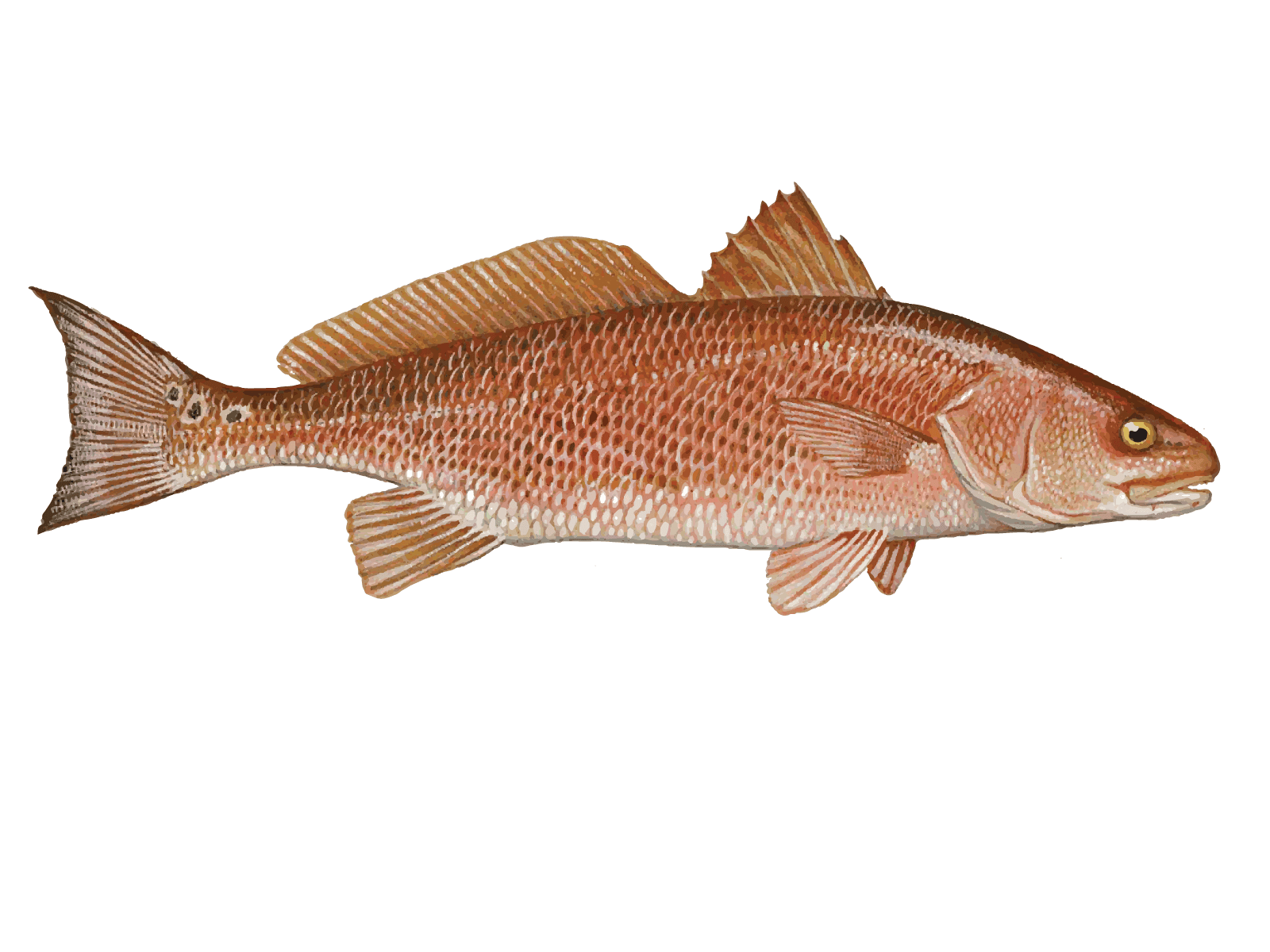
Redfish
Red drum are the bay's signature fish with their copper-bronze color and distinctive black spots near the tail. Most slot fish run 20-28 inches, but you'll encounter everything from schooling "rat reds" to bruiser bulls over 40 inches. They love shallow water - sometimes so shallow their backs show above the surface. Look for them on oyster reefs, grass flats, and around structure throughout the bay system. They bite year-round but really turn on during fall and spring transitions. What makes them special is their power and that tail-walking fight when hooked. They're also solid table fare with firm, mild-flavored meat. My favorite approach is sight fishing with topwater plugs in skinny water early morning. When you see that wake pushing toward your bait, keep the lure moving steady - they'll crush it when they're ready.
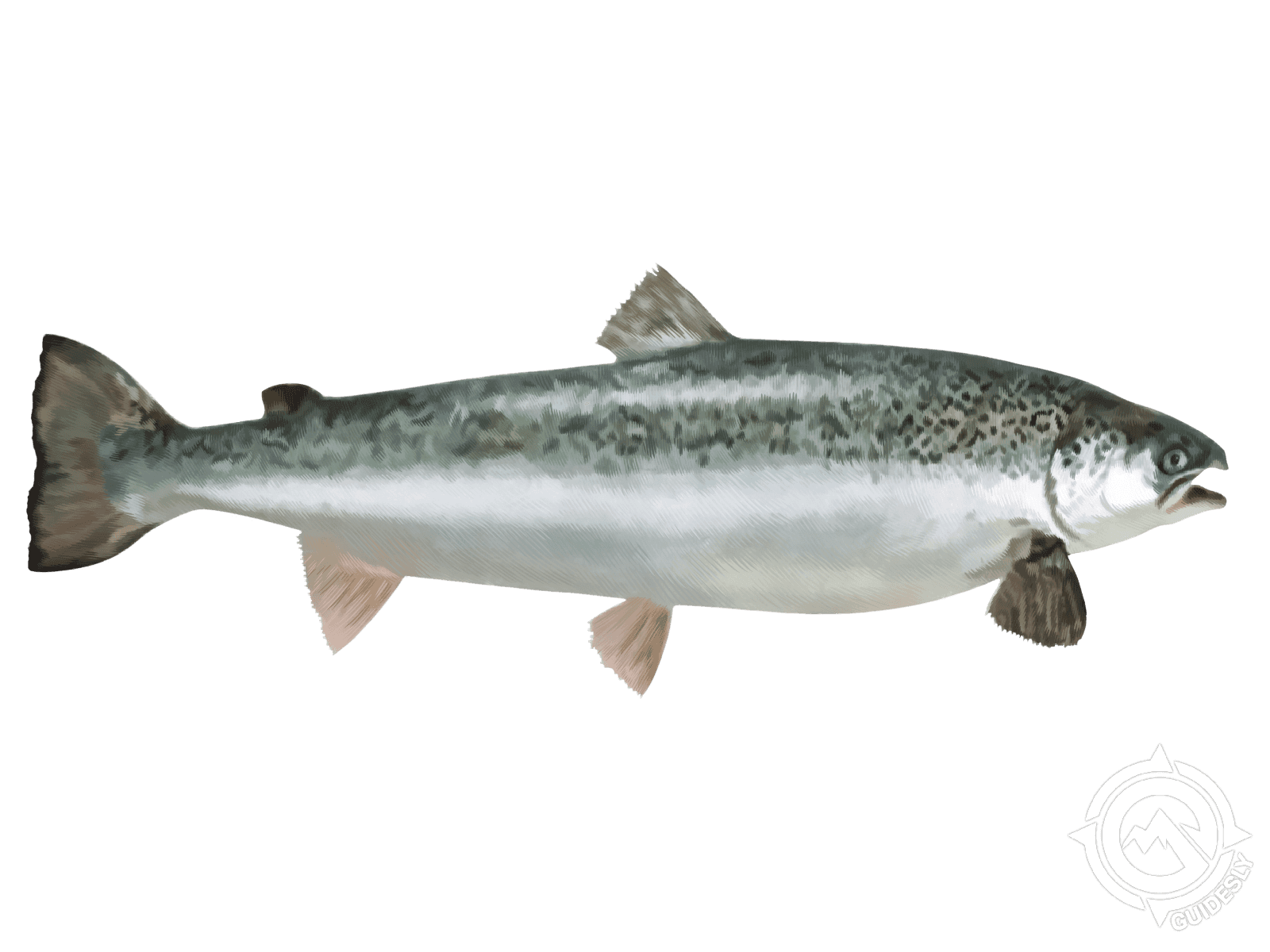
Sea Trout
Speckled trout are a local favorite with their spotted silver sides and that distinctive speckled pattern. They typically run 14-24 inches and about 1-5 pounds, perfect for light tackle action. You'll find them over grass flats, in shallow bays, and around drop-offs throughout Galveston Bay. They bite best during cooler months and low-light conditions - dawn and dusk are prime time. What makes them special is their willingness to hit topwater lures, creating explosive surface strikes that get your heart pumping. They're also fantastic on the table with delicate, flaky white meat. The trick is working topwater plugs or soft plastics over the grass beds early in the morning. Keep your retrieve steady but not too fast, and be ready for that aggressive strike when they come up from the grass.
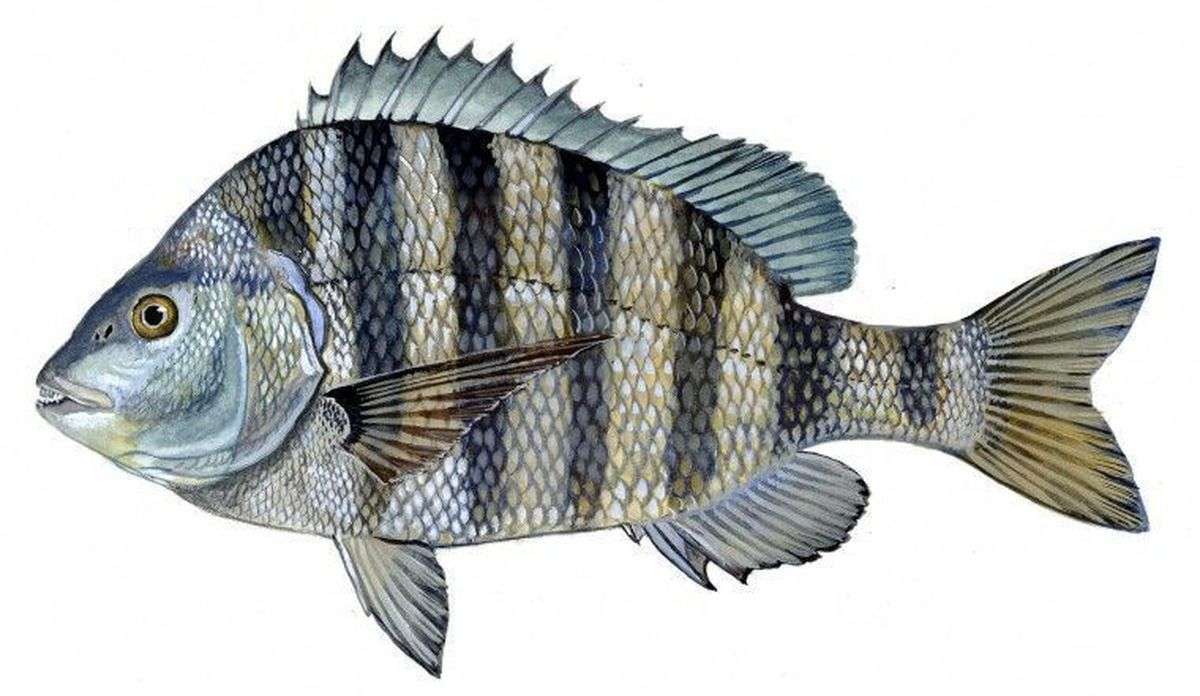
Sheepshead
Known as "convict fish" for their black and white stripes, sheepshead are famous for their human-like teeth that can crunch through barnacles and crabs. Most range from 1-8 pounds and 14-20 inches, though trophy fish can hit 20+ pounds. They stick tight to structure - docks, pilings, jetties, and any barnacle-covered surface in the bay. Spring months are peak season when they're spawning and feeding heavily. Anglers love the challenge because they're notorious bait thieves with light, finicky bites that test your skills. Plus, they're some of the best eating fish in the bay with sweet, flaky white meat. The key is getting your bait right against the structure and being ready to set the hook fast when you feel that subtle nibble - they'll steal your shrimp before you know it.
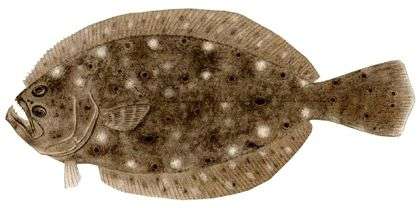
Summer Flounder
These flatfish are masters of disguise with both eyes on their left side and the ability to change colors like chameleons. Most run 15-20 inches, but you'll occasionally hook into bigger ones pushing 25+ inches. They bury themselves in sandy or muddy bottoms throughout the bay, waiting to ambush passing baitfish. Fall months from September through November are prime time when they're actively feeding before moving offshore. What makes them fun to target is their sneaky bite - they'll often mouth your bait before committing, so patience pays off. They're also excellent table fare with sweet, white meat. My go-to trick is using a circle hook with live croakers or mullet, and when you feel that subtle tap, give them a second before setting the hook firmly.
About the Haynie Bay Boats 23'
%2F%2Fusers%2Fcae4bdfb-6391-4000-8edb-3576ea2cc2de%2Fvehicle_picture%2Fboat-msia6eug.jpeg&w=1920&q=75)
Vehicle Guest Capacity: 4
Manufacturer Name: Suzuki
Maximum Cruising Speed: 50
Number of Engines: 1
Horsepower per Engine: 250