%2Ffit-in%2F250x250%2Fguide_websites%2F182813%2Fimages%2F1786080941267457038321_7824857024308487_6077904326571704258_n.jpg&w=1920&q=100)
/users/cae4bdfb-6391-4000-8edb-3576ea2cc2de/ratecard/2-msiaseif.jpeg)
%2F300x300%2Fusers%2Fcae4bdfb-6391-4000-8edb-3576ea2cc2de%2Fratecard%2F2-msiaseif.jpeg&w=256&q=75)
%2F300x300%2Fusers%2Fcae4bdfb-6391-4000-8edb-3576ea2cc2de%2Fimages%2Ftexas-city-redfish-catch-2618.jpg&w=256&q=75)
%2F300x300%2Fusers%2Fcae4bdfb-6391-4000-8edb-3576ea2cc2de%2Fimages%2Ftexas-city-fishing-success-2597.jpg&w=256&q=75)
%2F300x300%2Fusers%2Fcae4bdfb-6391-4000-8edb-3576ea2cc2de%2Fimages%2Ftexas-city-speckled-trout-haul-2552.jpg&w=256&q=75)
%2F300x300%2Fusers%2Fcae4bdfb-6391-4000-8edb-3576ea2cc2de%2Fimages%2Ftexas-city-fishing-group-2483.jpg&w=256&q=75)
%2F300x300%2Fusers%2Fcae4bdfb-6391-4000-8edb-3576ea2cc2de%2Fimages%2Ftexas-city-fishing-haul-dock-2684.jpg&w=256&q=75)
%2F300x300%2Fusers%2Fcae4bdfb-6391-4000-8edb-3576ea2cc2de%2Fimages%2Ftexas-city-redfish-trout-catch-2819.jpg&w=256&q=75)
%2F300x300%2Fusers%2Fcae4bdfb-6391-4000-8edb-3576ea2cc2de%2Fimages%2F1786065524686468730090_122126441048506494_42036533514677115_n-msi9ujo0.jpg&w=256&q=75)
%2F300x300%2Fusers%2Fcae4bdfb-6391-4000-8edb-3576ea2cc2de%2Fimages%2Ftexas-city-speckled-trout-charter-2667.jpg&w=256&q=75)
%2F300x300%2Fusers%2Fcae4bdfb-6391-4000-8edb-3576ea2cc2de%2Fimages%2F1786065528099470532010_122129840414506494_6412758290339659621_n-msi9gw87.jpg&w=256&q=75)
%2F300x300%2Fusers%2Fcae4bdfb-6391-4000-8edb-3576ea2cc2de%2Fimages%2F1786065529555471151922_122130367172506494_5137847134575923767_n-msi9hand.jpg&w=256&q=75)
Family-Friendly Galveston Bay Fishing Adventure
 Galveston Bay
What you will be catching:
 Redfish
 Sea Trout
 Sheepshead
 Summer Flounder
- Family-friendly inshore fishing experience with Captain Kade LaFrance
- Target species include Redfish, Sea Trout, Sheepshead, and Summer Flounder
- Captain provides professional cleaning and filleting services for all catch
Trip Pricing and Availabilities:
Family-Friendly Galveston Bay Fishing Adventure
Picture this: you're out on Galveston Bay with your family, watching your kid's eyes light up as their first fish takes the bait. Captain Kade LaFrance has been creating these moments for families across the Houston area, and his laid-back approach makes even the most nervous first-timer feel confident with a rod in their hands. This isn't about pressuring anyone to be a pro angler right out the gate – it's about sharing quality time on the water while learning what makes Galveston Bay one of Texas's top-rated fishing destinations. With room for up to four guests, you'll have plenty of space to spread out and enjoy a relaxed afternoon targeting some of the bay's most popular species.
What to Expect on the Water
Captain Kade keeps things simple and stress-free, which is exactly what families need when introducing kids to fishing. You'll be working with live bait – no complicated lures or techniques to master on your first trip out. The captain handles all the prep work, from rigging your lines to finding the fish, so you can focus on the fun part: making casts and waiting for that telltale tug. Galveston Bay's shallow waters and protected channels make it perfect for beginners, offering calmer conditions than you'd find in the open Gulf. The boat stays close to productive areas where Redfish cruise the flats and Sea Trout hang around structure, giving everyone plenty of opportunities to get their line wet. When someone hooks up, Captain Kade is right there to coach you through the fight, making sure you don't lose what could be your first keeper fish.
Live Bait and Easy Techniques
Forget about mastering complicated casting techniques or learning dozens of different lures – this trip focuses on proven methods that work for anglers of any skill level. Captain Kade sets everyone up with live bait, typically shrimp or small baitfish that the target species can't resist. You'll learn basic casting fundamentals, how to feel for bites, and when to set the hook, but nothing too technical that might overwhelm a first-timer. The beauty of fishing Galveston Bay is that the fish aren't overly picky, especially when you're using fresh live bait presented in the right spots. The captain positions the boat over grass beds, shell reefs, and channel edges where fish naturally congregate, then lets you work your bait through these productive zones. It's hands-on learning without the pressure, and kids especially love the anticipation of watching their rod tip for any sign of action below.
Species You'll Want to Hook
Redfish are the crown jewel of Galveston Bay, and for good reason. These copper-colored fighters typically run between 18-27 inches in this system, with plenty of slot-sized fish that make perfect table fare. Redfish love shallow water, often feeding in just 2-3 feet where you can sometimes spot their backs or tails breaking the surface. They're aggressive feeders that hit live shrimp hard, giving beginners that satisfying hookset they're looking for. Fall and winter months are prime time, when cooling water temperatures push these fish into predictable patterns along the shorelines and marsh edges.
Sea Trout might not fight as hard as Redfish, but they're arguably the best eating fish in the bay. These speckled beauties prefer slightly deeper water around 4-8 feet, especially near shell reefs and channel drop-offs. They're more finicky than Redfish, requiring a gentler approach, but their willingness to bite live shrimp makes them perfect for family trips. Sea Trout bite best during moving water, either incoming or outgoing tides, and they're most active during spring and fall when water temperatures sit in that sweet spot between 65-75 degrees.
Sheepshead are the bay's ultimate challenge fish, known for their ability to steal bait without getting hooked. These black-and-white striped fish hang around structure – docks, pilings, and reefs – where they feed on barnacles, crabs, and shrimp. They require patience and a quick hookset, but landing one feels like a real accomplishment. Sheepshead are most active during cooler months, from November through March, and they're excellent eating with firm, white meat that rivals any restaurant fish.
Summer Flounder add an element of surprise to any Galveston Bay trip. These flatfish lie buried in sandy or muddy bottom areas, waiting to ambush prey swimming overhead. When a flounder hits your bait, it feels like you've snagged the bottom – until it starts moving. They're most active during warmer months, particularly summer and early fall, and they prefer areas where bay meets Gulf, taking advantage of the steady flow of baitfish and nutrients. Flounder are phenomenal table fare, with delicate white meat that's perfect for families who want to enjoy their catch at home.
Time to Book Your Spot
Captain Kade's family-friendly approach has made this trip a customer favorite among Houston-area families looking to create lasting memories on the water. The combination of his patient instruction, productive fishing spots, and the added bonus of having your catch cleaned and filleted means you'll go home with both great stories and a fresh seafood dinner. Galveston Bay consistently produces fish year-round, but the best family fishing typically happens during shoulder seasons when weather is comfortable and fish are active. Don't wait too long to secure your date – word-of-mouth recommendations keep Captain Kade's calendar filling up fast, especially during prime fishing months when the bay comes alive with feeding fish.
Learn more about the species
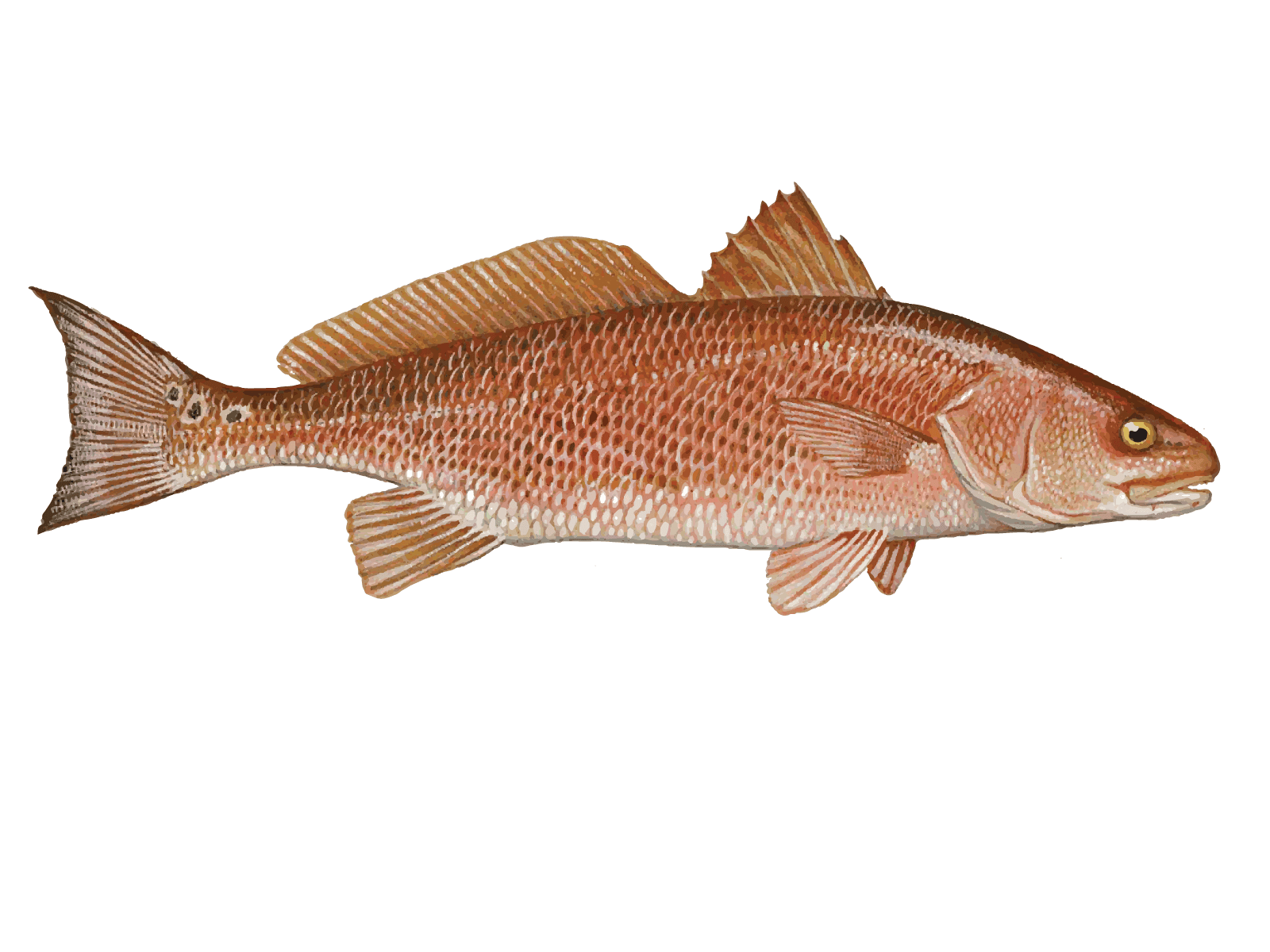
Redfish
Redfish are the signature catch of Galveston Bay with their copper-bronze backs and distinctive black eyespot near the tail. Most slot fish run 20-28 inches, but we also target the big bulls that can push 40+ inches in deeper water. They cruise shallow flats, oyster reefs, and marsh edges in just 1-4 feet of water - sometimes so shallow their backs stick out. Year-round fishing is good, but fall and spring offer the most consistent action. What makes them special is their power - they'll bend your rod and strip drag like no other inshore fish. Plus, they're excellent table fare with firm, mild meat. The secret is watching for nervous water and tailing fish in the shallows. Cast ahead of moving fish and let your bait sink to the bottom - they feed down.
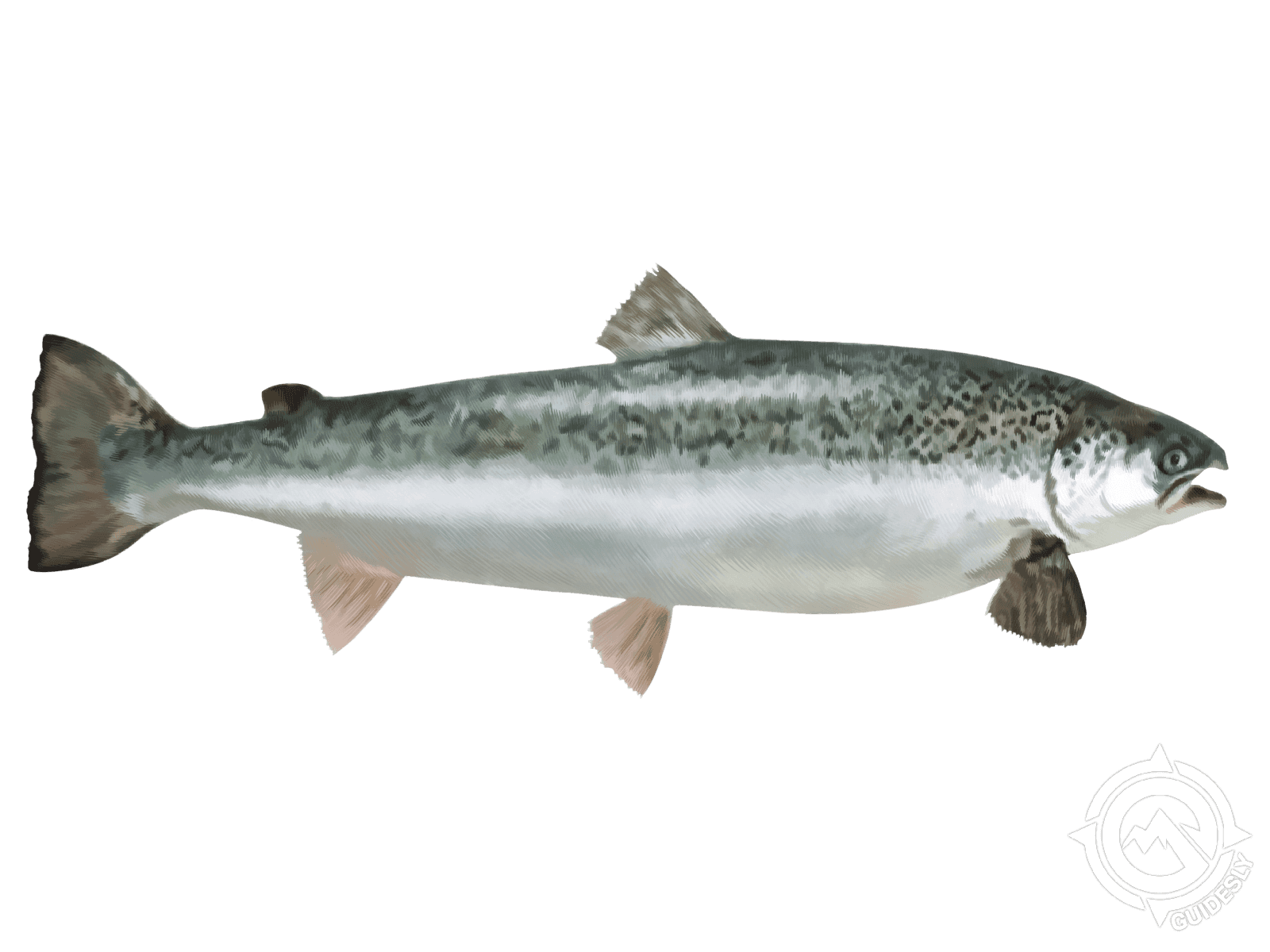
Sea Trout
Spotted Sea Trout are the bread and butter of Galveston Bay, and they're perfect for families getting started. These silver beauties with dark spots typically run 14-18 inches and 1-2 pounds, though we catch some solid 4-pounders over grass flats. They love shallow water around shell reefs and grass beds where shrimp and small baitfish hang out. Best action happens during cooler months and early morning or evening when they're actively feeding on top. Kids love the steady action and how they fight on light tackle. The meat is tender with a mild flavor that even picky eaters enjoy. Pro tip: work your lure slowly over the grass flats and listen for their distinctive croaking sound when you bring them to the boat - that's how they got the name "trout."
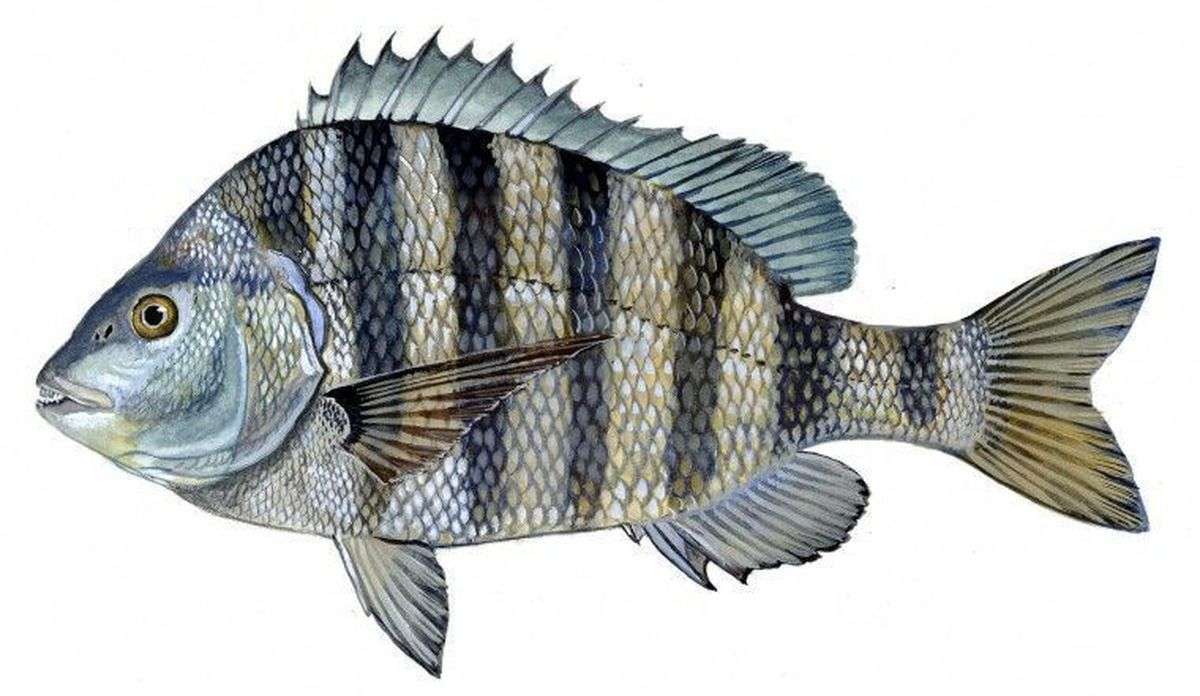
Sheepshead
Sheepshead are the convict fish of Galveston Bay with their distinctive black stripes and human-like teeth that can crack barnacles and crush crabs. Most range 1-3 pounds and 14-18 inches, but we get some hefty 8-pounders around the jetties and bridge pilings. They hang tight to any structure - docks, rigs, barnacle-covered pilings - feeding on whatever's growing there. Spring months are best when they're spawning around structures. What guests love is the challenge - they're notorious bait thieves with light, nibbling bites that'll test your patience. The payoff is sweet, white meat that's hard to beat on the dinner table. Here's the secret: keep your bait right against the structure and set the hook hard the moment you feel weight. They've got crushing power in those jaws.
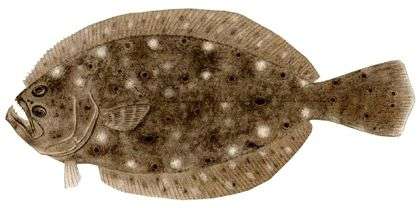
Summer Flounder
Summer Flounder are the masters of disguise in Galveston Bay - these flatfish blend perfectly with the sandy bottom using their chameleon-like ability to change colors. Most run 15-20 inches, but we catch some real doormat-sized ones pushing 5+ pounds. They're ambush predators that bury in sand and mud flats, waiting for baitfish and shrimp to swim by. Fall months from September through November are prime time when they're most active and feeding heavily. What makes them special is watching that rod tip bounce as they mouth the bait - they're notorious for stealing it right off your hook. The meat is white, flaky, and some of the best eating you'll find. My tip: use a circle hook and give them a few extra seconds to fully take the bait before setting the hook.
About the Haynie Bay Boats 23'
%2F%2Fusers%2Fcae4bdfb-6391-4000-8edb-3576ea2cc2de%2Fvehicle_picture%2Fboat-msia6eug.jpeg&w=1920&q=75)
Vehicle Guest Capacity: 4
Manufacturer Name: Suzuki
Maximum Cruising Speed: 50
Number of Engines: 1
Horsepower per Engine: 250