%2Ffit-in%2F250x250%2Fguide_websites%2F182813%2Fimages%2F1786080941267457038321_7824857024308487_6077904326571704258_n.jpg&w=1920&q=100)
/users/cae4bdfb-6391-4000-8edb-3576ea2cc2de/ratecard/6-msib42q9.jpeg)
%2F300x300%2Fusers%2Fcae4bdfb-6391-4000-8edb-3576ea2cc2de%2Fratecard%2F6-msib42q9.jpeg&w=256&q=75)
%2F300x300%2Fusers%2Fcae4bdfb-6391-4000-8edb-3576ea2cc2de%2Fimages%2Ftexas-city-redfish-catch-2618.jpg&w=256&q=75)
%2F300x300%2Fusers%2Fcae4bdfb-6391-4000-8edb-3576ea2cc2de%2Fimages%2Ftexas-city-fishing-success-2597.jpg&w=256&q=75)
%2F300x300%2Fusers%2Fcae4bdfb-6391-4000-8edb-3576ea2cc2de%2Fimages%2Ftexas-city-speckled-trout-haul-2552.jpg&w=256&q=75)
%2F300x300%2Fusers%2Fcae4bdfb-6391-4000-8edb-3576ea2cc2de%2Fimages%2Ftexas-city-fishing-group-2483.jpg&w=256&q=75)
%2F300x300%2Fusers%2Fcae4bdfb-6391-4000-8edb-3576ea2cc2de%2Fimages%2Ftexas-city-fishing-haul-dock-2684.jpg&w=256&q=75)
%2F300x300%2Fusers%2Fcae4bdfb-6391-4000-8edb-3576ea2cc2de%2Fimages%2Ftexas-city-redfish-trout-catch-2819.jpg&w=256&q=75)
%2F300x300%2Fusers%2Fcae4bdfb-6391-4000-8edb-3576ea2cc2de%2Fimages%2F1786065524686468730090_122126441048506494_42036533514677115_n-msi9ujo0.jpg&w=256&q=75)
%2F300x300%2Fusers%2Fcae4bdfb-6391-4000-8edb-3576ea2cc2de%2Fimages%2Ftexas-city-speckled-trout-charter-2667.jpg&w=256&q=75)
%2F300x300%2Fusers%2Fcae4bdfb-6391-4000-8edb-3576ea2cc2de%2Fimages%2F1786065528099470532010_122129840414506494_6412758290339659621_n-msi9gw87.jpg&w=256&q=75)
%2F300x300%2Fusers%2Fcae4bdfb-6391-4000-8edb-3576ea2cc2de%2Fimages%2F1786065529555471151922_122130367172506494_5137847134575923767_n-msi9hand.jpg&w=256&q=75)
Afternoon Bay Fishing Until Sunset
 Galveston Bay
What you will be catching:
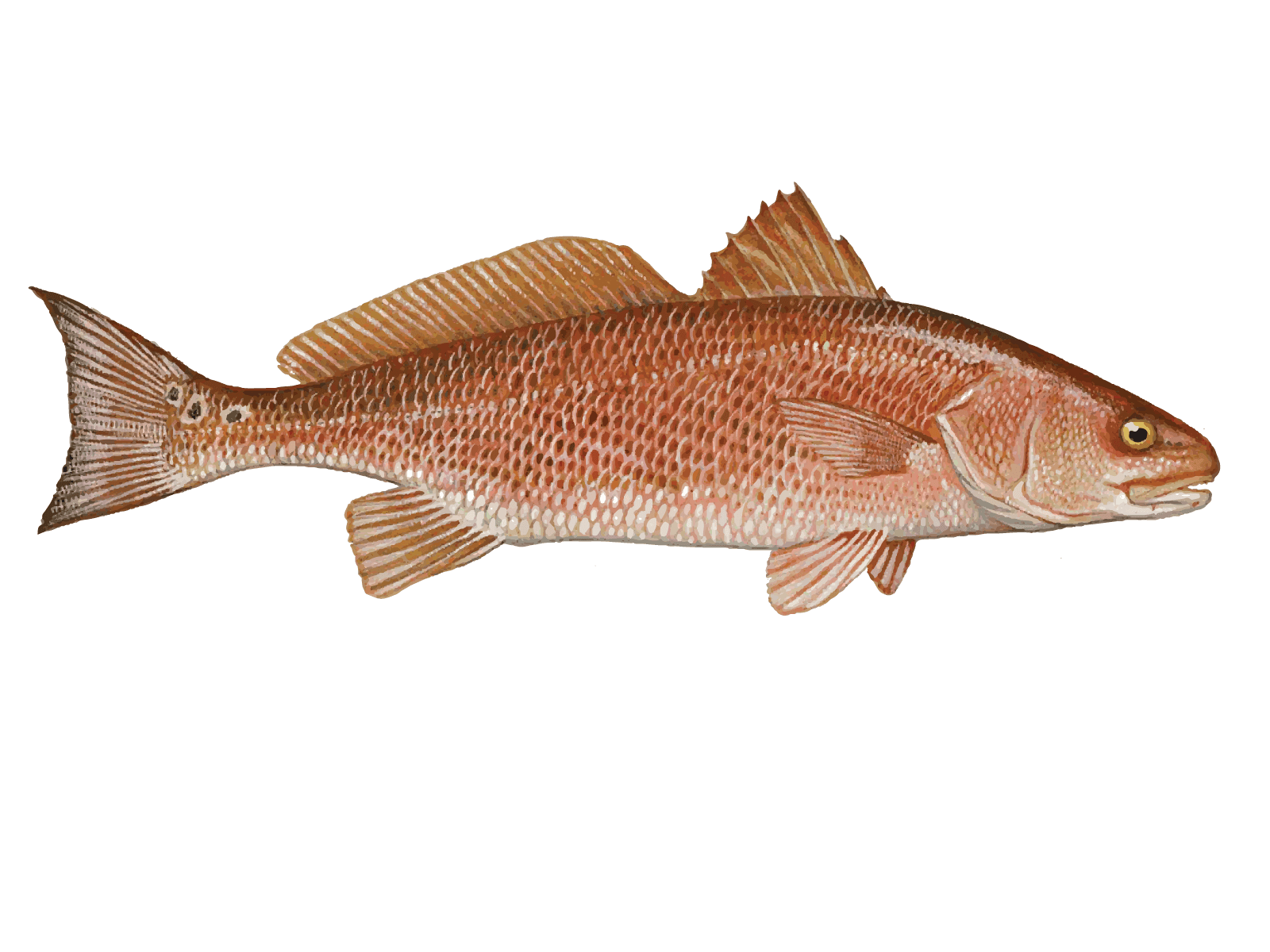
 Redfish
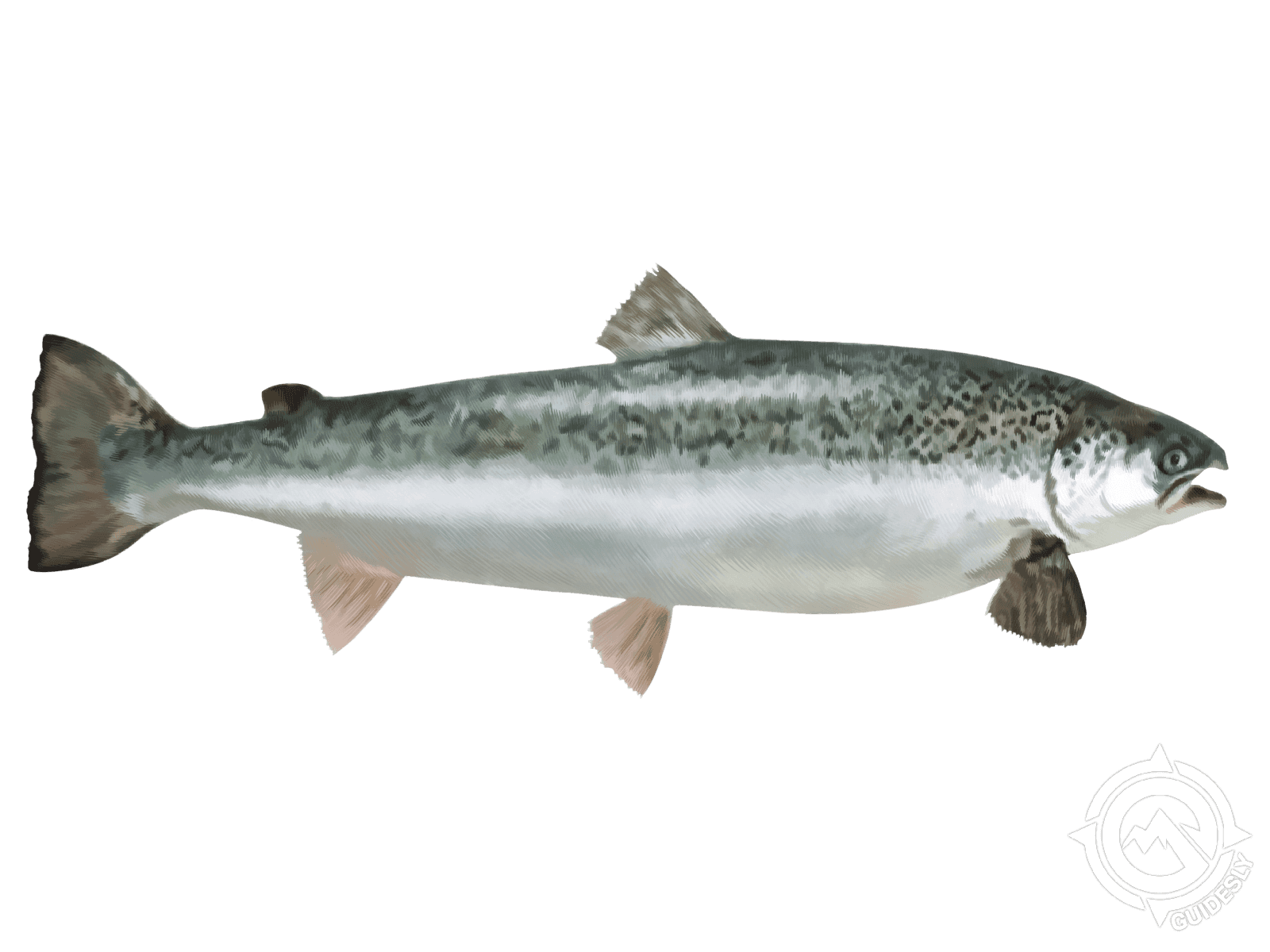
 Sea Trout
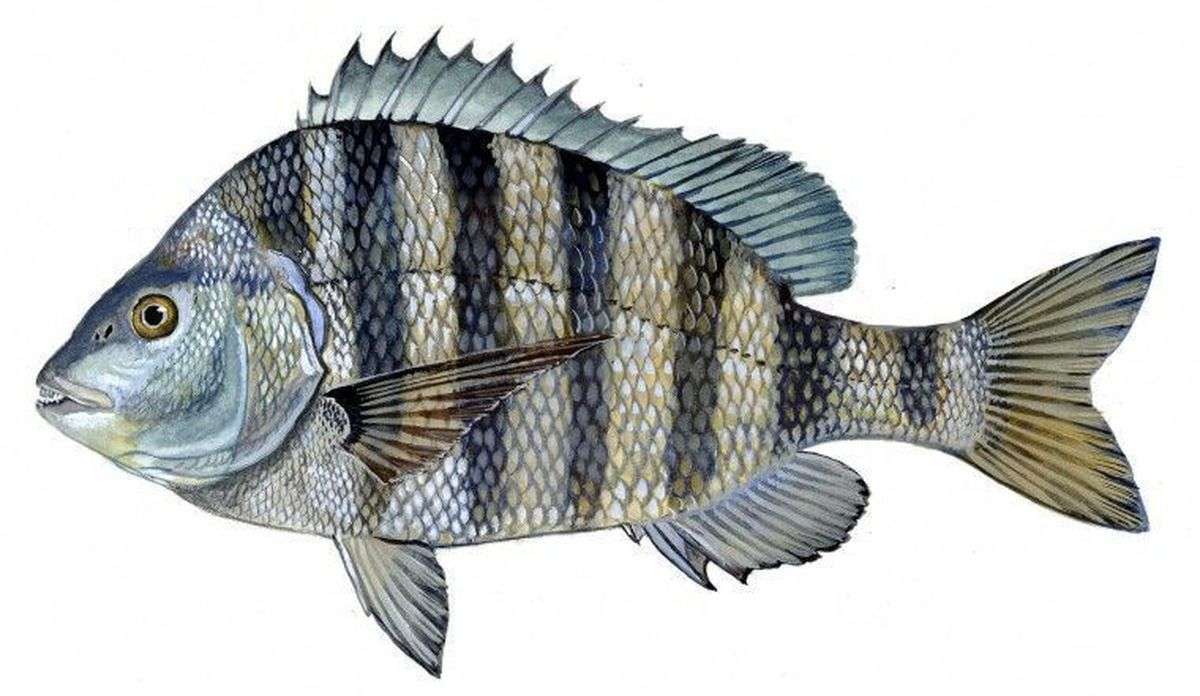
 Sheepshead
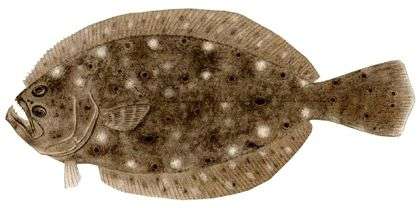
 Summer Flounder
- Extended afternoon fishing excursion in Galveston Bay Complex
- Target multiple species including Redfish, Trout, and Flounder
- Captain provides live bait, tackle, and fish cleaning services
Trip Pricing and Availabilities:
Afternoon Bay Fishing Until Sunset
When you want to really get into the rhythm of bay fishing, Captain Kade LaFrance's extended afternoon trip gives you the time to do it right. This isn't a quick dash to one spot – it's a proper exploration of the Galveston Bay Complex that lets you work different areas as the day unfolds. You'll have plenty of time to dial in your technique, follow the fish as they move, and really enjoy the process without watching the clock. Captain Kade provides all the live bait and quality tackle you need, plus he'll clean and fillet whatever you catch so you can take home a proper meal.
What to Expect on the Water
This extended bay adventure starts in the afternoon and keeps going until the sun starts painting the sky. The beauty of a longer trip like this is you can actually settle into the fishing instead of rushing from spot to spot. Captain Kade knows the Galveston Bay Complex like his own backyard, so he'll move you around based on what's happening that day – maybe starting in the shallows for redfish, then working some structure for sheepshead, or following the current breaks where trout like to hang out. You'll be casting both artificial lures and working live bait, depending on what the fish want. The extra time means you can really learn the water and pick up on those subtle signs that separate good anglers from great ones. Plus, there's something special about being on the bay as the light starts to change – that's often when the fish get most active anyway.
Tackle and Techniques
Captain Kade comes prepared with everything you need for a successful day on the bay. He's got quality spinning gear that's perfect for the variety of species you'll target, plus a selection of live bait that includes shrimp, croaker, and whatever else is working best that season. You'll learn to work both artificial lures and live bait presentations – maybe throwing soft plastics along grass lines for trout, bouncing jigs around structure for sheepshead, or working topwater plugs in the shallows when redfish are prowling. The captain will show you how to read the water, spot bird activity that signals feeding fish, and adjust your technique as conditions change throughout the afternoon. He's got a well-maintained boat that can get you to the fish whether they're in knee-deep flats or deeper channel edges, and he knows when to be quiet and when to cover water.
Top Catches This Season
Redfish are the crown jewel of Galveston Bay, and these copper-colored bruisers are what most anglers dream about. They love prowling the shallow flats, especially around oyster reefs and grass beds where they can ambush crabs and shrimp. Reds typically run anywhere from 20 to 35 inches in the bay, with some real bulls pushing the slot limit. They're most active during moving water, and you'll often spot them tailing in super shallow water during the warmer months. What makes them so exciting is their attitude – they hit hard and fight dirty, making long runs and trying to wrap you around every piece of structure they can find.
Speckled Trout are the bread and butter of bay fishing, and they're some of the best eating you'll find in these waters. These spotted beauties love structure like shell beds, drop-offs, and grass lines where they can wait in ambush. They're most active during cooler parts of the day, which makes this afternoon-into-evening trip perfect timing. Trout are finicky eaters that require a subtle touch – sometimes they want a slow presentation with live shrimp, other times they'll crush a topwater plug at first light. A good trout bite can fill the cooler quick, and Captain Kade knows all the productive spots where they school up.
Sheepshead are the bay's most challenging target, earning them the nickname "convict fish" for their black stripes and thieving ways. These bait stealers hang around any kind of structure – piers, reefs, bridge pilings – where they can pick off barnacles, crabs, and shrimp. They've got human-like teeth that can crush shellfish, and they're notorious for stealing bait without getting hooked. But when you do connect with a good sheepshead, they're fantastic table fare with firm, white meat. They're year-round residents, but they're most cooperative during the cooler months when they move into shallower water to feed.
Summer Flounder are the bay's shape-shifting masters, lying flat on sandy bottoms where they're nearly invisible until they strike. These flatfish can change color to match their surroundings, and they're ambush predators that wait for baitfish to swim within striking distance. Flounder fishing requires a different approach – you're usually dragging baits along the bottom near drop-offs, channel edges, and areas where moving water creates current breaks. They're excellent eating and fun to catch because the bite is often so subtle you have to really pay attention. Summer flounder are most active during the warmer months, as their name suggests, and they love areas with mixed bottom structure.
Time to Book Your Spot
This extended afternoon trip with Captain Kade gives you the best of both worlds – plenty of time to really fish without the early morning wake-up call. You'll cover more water, learn more techniques, and have a better shot at putting together a mixed bag of quality fish. The Galveston Bay Complex is one of the top-rated inshore fisheries on the Texas coast, and having those extra hours means you can adapt to whatever the fish are doing that day. With live bait provided, quality tackle ready to go, and your catch cleaned afterward, all you need to bring is yourself and maybe some snacks. This trip accommodates up to four anglers, making it perfect for families or small groups who want a relaxed but productive day on the water. Book now and get ready to experience why this
Learn more about the species
Redfish
Redfish are the signature species of Galveston Bay and for good reason - they're aggressive, fight hard, and make great table fare. These copper-colored fish with distinctive black spots near their tails typically run 18-30 inches in the bay, though bigger "bull reds" cruise deeper waters. You'll find them in shallow flats, around oyster reefs, and near structure in 1-4 feet of water. They're active year-round but fall and spring offer peak action. What makes them special is their willingness to eat almost anything and put up a serious fight - they'll make long runs and use their broad sides to pull hard. The meat is excellent with a mild, sweet flavor. Best part about reds is sight-fishing them in skinny water where you can see their backs and tails. My trick is using topwater plugs early and late in the day - nothing beats watching a red explode on the surface.
Sea Trout
Speckled Trout are one of the most popular fish in Galveston Bay for good reason. These silvery fish with dark spots typically run 14-24 inches and love shallow grass flats and drop-offs. They're most active during low-light periods - early morning, late evening, and overcast days. Fall and spring offer the best action when water temperatures are ideal. What guests love is their willingness to hit artificial lures and their fantastic eating quality - tender, flaky white meat that's perfect for the dinner table. They're also great fighters, especially the larger "gator trout." During winter, they school up in deeper channels, but most of the year you'll find them cruising grass beds in 2-8 feet of water. My favorite technique is working soft plastics under a popping cork over grass flats, letting the cork sit still between pops to drive them crazy.
Sheepshead
Sheepshead are the "convict fish" of Galveston Bay with their distinctive black and white stripes and human-like teeth. These crafty fish typically run 1-8 pounds and 14-20 inches, though bigger ones are out there. You'll find them hugging any structure - docks, pilings, jetties, and oil rigs where they feed on barnacles, crabs, and shrimp. Spring months are best when they're spawning and more aggressive. Guests love the challenge because sheepshead are notorious bait thieves with incredible table fare - sweet, flaky white meat that rivals any fish in the bay. They're tricky to hook since they nibble baits clean off hooks. The secret is getting your bait tight to structure and setting the hook hard the moment you feel weight. Fresh shrimp on a small hook works best, and don't be afraid to get close to those pilings.
Summer Flounder
Summer Flounder are fascinating flatfish that live on the bay bottom with both eyes on one side of their head. They're masters of camouflage, changing colors to blend with the seafloor while waiting to ambush prey. Most run 15-20 inches, but larger specimens can reach impressive sizes. You'll find them on sandy and muddy bottoms throughout the bay, especially around structure changes and drop-offs. Fall through early winter is prime time when they're most active and feeding heavily before moving offshore. What makes them special is their unique appearance and excellent table fare - sweet, flaky white meat that's hard to beat. My go-to trick is using a circle hook with live minnows or croakers, and always give them time to fully take the bait before setting the hook since they bite sideways.
About the Haynie Bay Boats 23'
%2F%2Fusers%2Fcae4bdfb-6391-4000-8edb-3576ea2cc2de%2Fvehicle_picture%2Fboat-msia6eug.jpeg&w=1920&q=75)
Vehicle Guest Capacity: 4
Manufacturer Name: Suzuki
Maximum Cruising Speed: 50
Number of Engines: 1
Horsepower per Engine: 250